From Arabic calligraphy fusion to bold gradient overlays, the design trends dominating Egyptian social media feeds and brand identities this year.
Graphic Design Trends Egyptian Brands Cannot Ignore in 2026
Design is not decoration. In a market as visually saturated as Egypt's social media landscape—where users scroll through hundreds of posts daily—your design is your first and often only chance to stop someone's thumb and earn their attention.
The Egyptian market has always had a unique design sensibility that blends Arabic heritage with modern global trends. And in 2026, we are seeing this fusion reach new levels of sophistication. Let us look at what is working right now and what forward-thinking Egyptian brands are doing differently.
1. Arabic Calligraphy Meets Modern Typography
For decades, Egyptian brands treated Arabic and English as separate design worlds. Arabic layouts used traditional Naskh or Ruqaa fonts, while English layouts used modern sans-serif typefaces. The result was a schizophrenic brand identity depending on which language you were reading.
The 2026 trend is fusion typography: custom Arabic typefaces designed with the same geometric principles as modern Latin fonts. Think of it as Arabic typography that feels as contemporary as Helvetica or Futura but is unmistakably Arabic.
Practical application: Commission a custom Arabic wordmark for your brand. The cost (15,000-30,000 EGP) is a one-time investment that immediately differentiates you from competitors using stock Arabic fonts.
Brands like Noon, Swvl, and Halan have pioneered this approach, and mid-market Egyptian brands are now following suit through professional branding services.
2. Bold Gradient Overlays and Mesh Gradients
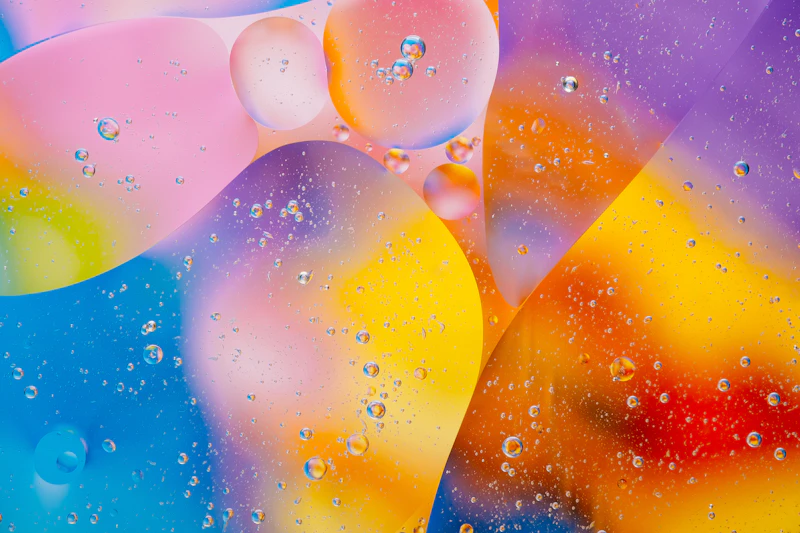
Flat color is giving way to rich, dimensional gradients. But these are not the 1990s-style rainbow gradients—they are sophisticated, curated color transitions that add depth and premium feeling.
What works in Egypt: Gold-to-amber gradients (pharaonic luxury feel), deep blue-to-purple (tech and innovation), green-to-teal (health and freshness).
Where to use them: Social media posts, website headers, presentation decks, packaging backgrounds.
3. Photography-First Social Content
The era of text-heavy social media graphics is ending. Egyptian audiences—particularly on Instagram and TikTok—respond to photography-first content with minimal text overlay.
This does not mean text disappears. It means the hero element is a beautiful, authentic photograph, with text playing a supporting role. The caption does the heavy lifting for messaging while the image generates the stop-and-look moment.
Practical implication: Invest in quality photography. Not stock photos—authentic shots of your products, team, and customers in real Egyptian settings. One day of professional photography (5,000-10,000 EGP) gives you months of social content.
4. Animated Social Graphics (Motion Design)
Static posts are losing ground to animated content. This is not full video production—it is graphic design elements brought to life through subtle motion:
- Text that types onto screen
- Products that rotate or float
- Background gradients that shift
- Elements that slide in with satisfying easing curves
Tools like After Effects, Lottie, and even Canva's animation features make this accessible. The key is subtlety—enhance the design, do not overwhelm it.
 Caption: Showcase of 2026 design trends applied to Egyptian brand materials including gradient overlays, Arabic fusion typography, and motion graphics.
5. Dark Mode Design for Social Media
Dark backgrounds with bright accent colors have become the premium look on Instagram. For Egyptian brands, dark mode design signals sophistication, luxury, and modernity.
Why it works technically: Dark backgrounds make product colors pop. A gold watch against a black background looks far more expensive than the same watch against white.
Egyptian context: Dark mode is particularly effective for nightlife venues, tech startups, automotive brands, and luxury products targeting the Upper Egypt and Cairo affluent market.
6. Humanized Brand Illustrations
Custom illustrations featuring Egyptian characters—not generic stock illustrations of Western-looking people—are gaining traction among forward-thinking Egyptian brands.
These illustrations feature:
- Characters with Egyptian facial features and skin tones
- Recognizable Egyptian settings (balconies with laundry, ahwa scenes, microbus commutes)
- Cultural elements (tea glasses, koshary, galabiyyas)
- Modern activities (coding, scrolling phones, exercising)
This representation matters. When your audience sees themselves in your brand materials, connection and trust increase significantly.
7. Minimalism With Character
Egyptian design has historically leaned toward the busy side—lots of text, lots of decoration, lots of effects. And while maximalism has its place, the trend in 2026 is strategic minimalism: fewer elements, each one more impactful.
This does not mean boring. It means every element earns its place on the canvas. White space is not empty—it is intentional breathing room that makes the important stuff stand out.
How to Apply These Trends to Your Brand
- Audit your current design: Compare your social media grid to competitors and to brands you admire. Where do you fall short?
- Create a design system: Standardize your colors, fonts, spacing, and layout rules. This ensures consistency across all touchpoints.
- Invest in templates: Have a designer create 10-15 social media templates using these trends. Your team can then populate them with new content efficiently.
- Refresh quarterly: Design trends move fast. Review and update your visual approach every 3 months to stay fresh.
Want your brand's visual identity to match its ambition? Media Nerd's design team creates trend-forward brand systems that make Egyptian businesses stand out. Upgrade your brand visuals.